Imagine returning home after a heavy rainstorm in Daytona Beach to find water pooling in your living room or seeping through the ceiling. The panic sets in as you realize the potential for mold growth, structural weakening, and thousands in damages. Water damage emergencies happen frequently here due to our humid climate, frequent storms, and aging infrastructure in coastal properties. At Daytona Beach Water Damage, we’ve responded to countless such incidents, helping homeowners and businesses mitigate the chaos swiftly. This guide cuts through the confusion, outlining clear, immediate actions to take right after discovering water intrusion. By following these steps, you can limit the spread, protect your health, and potentially save significant restoration costs. Whether it’s a burst pipe, roof leak, or flood from the nearby Halifax River, knowing what to do first makes all the difference in recovering faster.
Understanding the Immediate Risks of Water Damage
Water damage isn’t just about wet carpets or soggy walls—it’s a ticking time bomb for your property and health. When water infiltrates your home, it can compromise structural integrity within hours, leading to warped wood, corroded electrical systems, and weakened foundations. In Daytona Beach, where high humidity exacerbates the issue, untreated water can foster mold growth as quickly as 24-48 hours, posing respiratory risks especially to families with children or elderly members. The "what" behind immediate action is simple: stop the source, remove standing water, and dry affected areas to prevent secondary damages like bacterial contamination or pest infestations.
Why act fast? Water spreads rapidly, absorbing into porous materials like drywall and insulation, making extraction harder over time. According to industry standards from the Institute of Inspection, Cleaning and Restoration Certification (IICRC), the first 24 hours are critical—the "golden hour" for mitigation can reduce repair costs by up to 50%. In our experience at Daytona Beach Water Damage, properties in flood-prone areas like Midtown Daytona often face accelerated damage from saltwater intrusion, which corrodes metals faster than freshwater.
To break it down:
- Category of Water: Clean (e.g., from a broken appliance), gray (e.g., sink overflow), or black (sewage)—each requires different handling levels, with black water demanding professional intervention immediately due to pathogens.
- Affected Materials: Hard surfaces like tile dry easily, but soft ones like upholstery harbor moisture, breeding grounds for microbes.
- Health Hazards: Stagnant water can lead to slip-and-fall injuries or release volatile organic compounds (VOCs) from degrading materials.
- Financial Impact: Delaying can escalate from minor fixes ($500-$2,000) to full rebuilds ($10,000+), especially in older homes common in Central Mainland.
Understanding these risks empowers you to prioritize safety and efficiency from the start.
Step-by-Step Guide: Immediate Actions After Water Damage
Taking decisive steps right away can salvage your Daytona Beach property and avoid long-term headaches. Start by ensuring safety before diving into cleanup—our coastal location means water damage often pairs with electrical hazards from storms. Here’s a practical how-to:
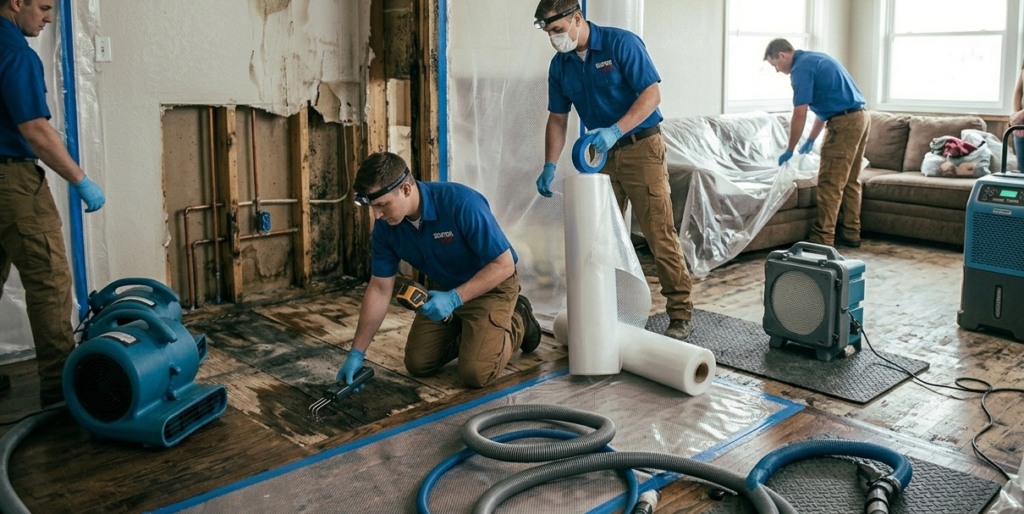
- Secure the Area: Evacuate everyone, including pets, and turn off the main power to prevent shocks. If safe, shut off the water supply at the main valve.
- Document the Damage: Snap photos and videos for insurance claims. Note the time of discovery and water source—this helps professionals assess the category.
- Remove Excess Water: Use buckets, mops, or a wet/dry vacuum for standing water. For larger floods, avoid DIY if it’s more than a few inches deep.
- Ventilate and Dry: Open windows and doors if weather permits, and use fans to circulate air. In humid Daytona Beach, dehumidifiers are essential to combat moisture retention.
- Remove Salvageable Items: Elevate furniture on blocks and move valuables to dry areas. Porous items like books or mattresses may need discarding if soaked.
Local factors play a big role here. Our frequent thunderstorms and proximity to the ocean mean many incidents stem from roof leaks or appliance failures in condos around Pelican Bay. Florida building codes require specific drying protocols to prevent mold, so ventilating without proper equipment can worsen issues in our warm climate.
Pro Tip: If the damage involves a refrigerator water line leak, isolate the appliance immediately and check for hidden subfloor spread—common in ranch-style homes. An insider secret: Apply a baking soda paste to metal surfaces exposed to water to neutralize potential corrosion before pros arrive.
For bathroom-related overflows, consider specialized cleanup to address hidden moisture behind tiles. These actions not only halt progression but also prepare your claim for faster processing.
Common Mistakes to Avoid After Water Damage
Homeowners in Daytona Beach often make well-intentioned but costly errors post-water damage, amplifying risks and expenses. One major pitfall is ignoring the source—pumping out visible water without fixing the leak leads to recurrence. For instance, a simple bathroom sink overflow can turn into widespread mold if plumbing isn’t addressed, costing an extra $1,000+ in remediation.
Another error: Delaying professional help. DIY drying with household fans might seem efficient, but in our humid environment, it often fails to reach hidden pockets, fostering black mold that requires full demolition. Safety-wise, using electrical devices near water without shutting power invites electrocution— we’ve seen claims denied over such oversights.
Financially, skipping documentation dooms insurance reimbursements; without proof, you’re out-of-pocket for preventable escalations. In areas like North Mainland, where properties sit on sandy soil, ignoring foundation impacts can lead to settling cracks, ballooning repair bills to $5,000-$15,000.
Business owners err by resuming operations too soon, exposing employees to contaminated air and risking liability lawsuits. Always prioritize certified restoration to comply with local health regs—avoiding these traps preserves your investment and peace of mind.
Conclusion
Water damage demands swift, informed action: secure safety, stop the source, document everything, remove water, and dry thoroughly while avoiding DIY pitfalls. By understanding risks, following practical steps, and steering clear of common mistakes, you can protect your Daytona Beach home from escalating harm. Remember, local factors like humidity and storms make professional intervention key for thorough recovery.
If tackling this alone feels overwhelming, trust the experts at Daytona Beach Water Damage. With years serving our community, we handle everything from initial assessment to full restoration, ensuring minimal disruption. Visit our About Us page to learn more about our commitment. Need help with what to do immediately after water damage in Daytona Beach? Call Daytona Beach Water Damage today at (386) 715-1179.
Leave a Reply