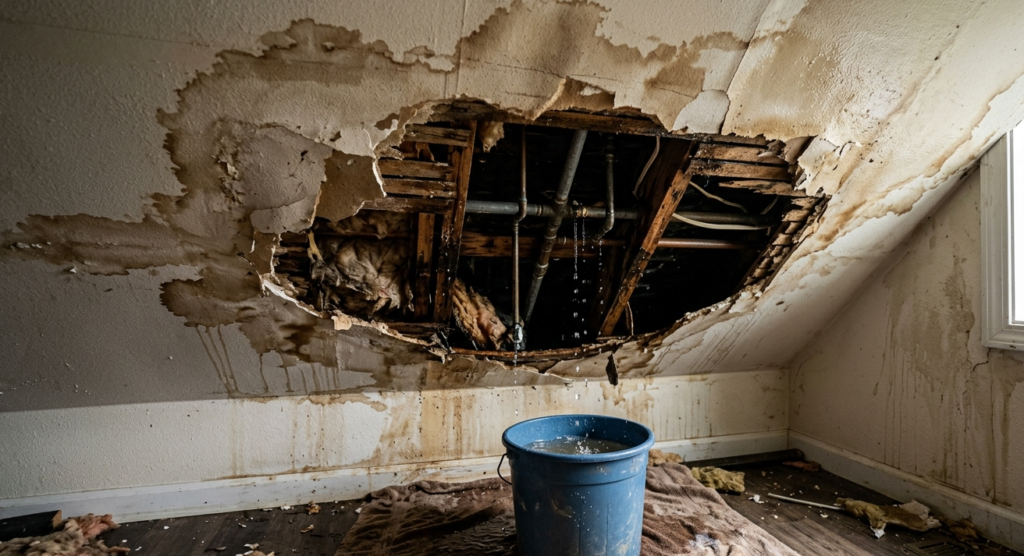
Water damage from storms, leaks, or flooding creates urgent problems for homeowners across Daytona Beach, often leading to costly repairs if not handled correctly. Many residents face hidden moisture that promotes mold and structural issues, but knowing the restoration steps helps minimize damage and speed recovery. Daytona Beach Water Damage has responded to these incidents frequently in Daytona Beach, providing reliable solutions tailored to local conditions.
Understanding the Water Damage Restoration Process
The water damage restoration process involves systematic steps to remove water, dry affected areas, and restore properties to safe conditions. It starts with assessment to classify the water type and damage extent, followed by extraction using specialized equipment. This prevents secondary issues like mold growth that can affect indoor air quality.
In our experience at Daytona Beach Water Damage, quick action during the initial 24 to 48 hours makes a significant difference in outcomes for local properties. Key phases include:
- Inspection and Assessment: Professionals evaluate moisture levels with advanced tools.
- Water Extraction: Removing standing water to reduce saturation.
- Drying and Dehumidification: Targeting hidden moisture in walls and floors.
- Cleaning and Sanitizing: Eliminating contaminants from affected materials.
- Restoration and Repairs: Rebuilding damaged structures.
These steps ensure thorough recovery while complying with safety standards.
Practical Steps for Effective Restoration
Homeowners can support the process by acting fast and avoiding common pitfalls during emergencies. In Daytona Beach, high humidity and frequent storms increase risks, so monitoring for leaks in older homes or coastal properties is essential. Begin by shutting off water sources and documenting damage with photos for insurance claims.
Pro Tip: Always wear protective gear during initial cleanup to avoid exposure to contaminated water, and never attempt full drying without professional equipment as incomplete efforts often lead to recurring problems.
Contact experts promptly rather than relying on fans alone, especially in areas like Ormond Beach where weather patterns accelerate moisture spread. Focus on structural drying and dehumidification for best results in humid climates.
Common Mistakes to Avoid
Many property owners delay professional help, attempting DIY methods that fail to address hidden moisture behind walls or under floors. This mistake can lead to extensive mold issues requiring full full structural restoration, inflating costs significantly. Ignoring safety risks from electrical hazards or contaminated water also endangers health and may void insurance coverage.
Another frequent error involves using inadequate drying techniques suited for drier climates, which proves ineffective in Daytona Beach’s environment. Skipping proper sanitization allows bacteria to persist, creating long-term liability for homeowners and businesses alike.
Conclusion
Following the outlined water damage restoration process ensures properties recover safely and efficiently while reducing future risks. Understanding each phase empowers better decisions during crises. If you prefer expert assistance, Daytona Beach Water Damage stands ready to guide you through every step. Need help with Water Damage Restoration Process: What to Expect Step by Step in Daytona Beach? Call Daytona Beach Water Damage today at (386) 715-1179.
Leave a Reply