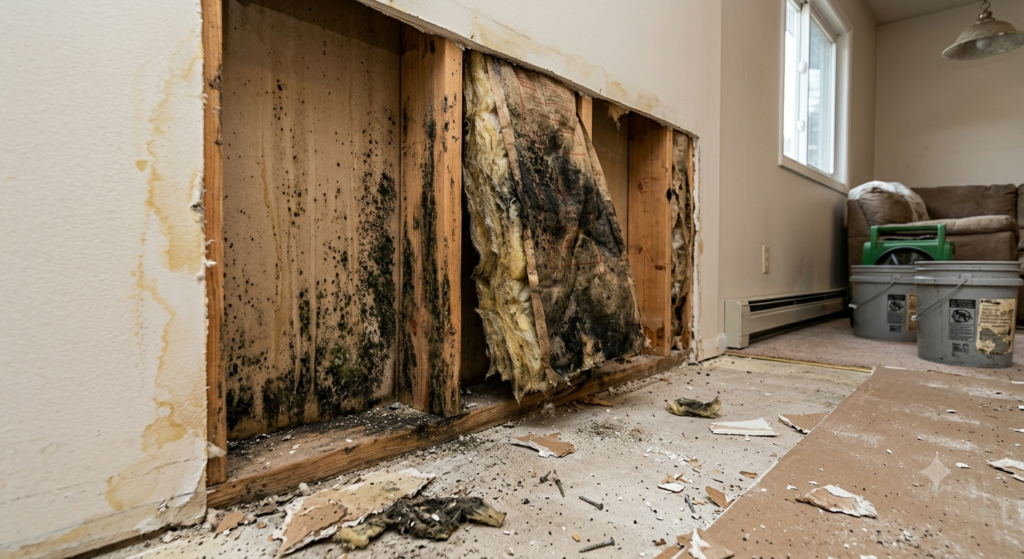
Imagine discovering a musty smell in your Daytona Beach home, only to realize it’s coming from behind the walls. Water damage from a leaky pipe or our area’s frequent storms can lead to serious issues like mold growth. At Daytona Beach Water Damage, we’ve helped countless local homeowners tackle this hidden threat. The question on every property owner’s mind is: Can mold really grow behind drywall? The short answer is yes, and it can happen faster than you think, especially in Florida’s humid climate. In this post, we’ll break down how this occurs, why it’s a problem, and what you can do to protect your home. Whether you’re dealing with recent flooding or just want to stay proactive, understanding mold behind drywall is key to maintaining a safe, healthy living space. Our team has seen it all-from minor leaks to major restoration nee-and we’re here to share the knowledge to help you avoid costly repairs.
Understanding How Mold Thrives Behind Drywall
Mold is a type of fungus that flourishes in damp, warm environments, and drywall provides the perfect breeding ground once exposed to moisture. Drywall, also known as sheetrock, is made from gypsum sandwiched between paper layers. When water seeps in-whether from a burst pipe, roof leak, or high humidity-it soaks into this porous material. The paper facing becomes a food source for mold spores, which are always present in the air. Within 24 to 48 hours, visible growth can begin if conditions are right.
Why does this happen so easily behind walls? Drywall acts as a barrier, trapping moisture and preventing it from evaporating quickly. In Daytona Beach, our subtropical climate with average humidity levels above 70% exacerbates the issue. Stagnant water creates an ideal ecosystem: temperatures between 77°F and 86°F, organic material from the paper, and poor ventilation. Mold doesn’t need much to start- just a little moisture and time.
Here’s a breakdown of the key factors:
- Moisture Source: Leaks, floods, or condensation provide the water mold needs. In our humid area, even without a major incident, walls can absorb ambient moisture.
- Temperature: Florida’s warm weather speeds up growth; mold colonies can double in size every few hours.
- Nutrients: The gypsum and paper in drywall supply sugars and starches that feed the mold.
- Lack of Light and Air: Behind walls, it’s dark and still, preventing natural drying.
In our experience at Daytona Beach Water Damage, we’ve removed mold from behind drywall in homes as young as five years old, often after unnoticed plumbing issues. Testing shows that black mold, like Stachybotrys, can release mycotoxins harmful to respiratory health, especially for kids and those with allergies. Early detection is crucial, as unchecked growth can weaken structural integrity, leading to crumbling walls and higher restoration costs. If you’re in Ponce Inlet Historic District, where older homes are common, this risk is even higher due to aging materials.
To identify potential growth, look for signs like bubbling paint, discolored spots, or a persistent earthy odor. Professional tools like moisture meters can confirm hidden dampness without invasive measures. Remember, not all mold is visible, and DIY tests often miss the extent. For comprehensive assessments, consider reaching out to experts who use infrared cameras and air sampling.
Practical Tips to Detect and Prevent Mold Behind Drywall
Preventing mold behind drywall starts with proactive moisture management, especially in Daytona Beach’s rainy season from June to November. Our local weather patterns, with heavy downpours and hurricane risks, mean homes here face unique challenges. Older coastal properties, built with less vapor-resistant materials, are particularly vulnerable. Here’s how to stay ahead:
- Inspect Regularly: Check for leaks monthly. Use a flashlight to look behind appliances and in attics. In humid months, run dehumidifiers to keep indoor levels below 50%.
- Fix Water Issues Promptly: Any spill or leak should be dried within 24 hours. Use fans and open windows, but for walls, cut out affected drywall if soaked more than an inch deep.
- Improve Ventilation: Install exhaust fans in bathrooms and kitchens. Ensure your HVAC system is maintained to circulate dry air evenly.
- Seal and Waterproof: Apply mold-resistant paint or primers on drywall surfaces. For basements or crawl spaces, use vapor barriers on the ground.
Local regulations in Volusia County require proper ventilation in new builds, but retrofitting older homes can make a big difference. If you’re dealing with flood damage, follow FEMA guidelines for drying out structures.
Pro Tip: An insider secret from our restoration pros: Before painting over repaired areas, apply a borate-based sealant. It not only prevents regrowth but also deters pests that thrive on damp wood-saving you from combined mold and termite headaches common in Florida.
For detection, invest in a home moisture meter (under $50) to scan walls. If readings exceed 15%, call professionals. In Daytona Beach, we often see mold linked to AC condensation; ensure units drain properly. If fire damage has compromised walls-check our fire damage restoration services-moisture from suppression efforts can invite mold. Acting fast preserves your home’s value and health.
Common Mistakes Homeowners Make with Mold Behind Drywall
Many Daytona Beach residents underestimate the stealth of mold behind drywall, leading to bigger problems down the line. One frequent error is ignoring minor water damage, thinking it will dry on its own. In our humid climate, this allows mold to establish roots within days, turning a $500 fix into a $5,000 remodel.
Another mistake: Attempting DIY removal without proper protection. Scraping mold exposes you to spores, risking health issues like asthma flare-ups or skin irritation. Without containment, spores spread to other areas, contaminating HVAC systems.
Homeowners also overlook ventilation upgrades. Relying solely on air conditioning ignores how it can sometimes create condensation spots. Financially, delaying professional help means insurance claims get denied if mold is deemed preventable. Safety-wise, structural weakening from extensive growth can lead to collapses in severe cases.
Finally, using bleach on drywall is a myth- it doesn’t penetrate porous surfaces and can worsen the problem by leaving behind moisture. Opt for EPA-approved fungicides instead. Learn more about our team’s expertise on our About Us page. Avoiding these pitfalls protects your investment and family.
Wrapping Up: Safeguard Your Home from Hidden Mold Threats
In summary, yes, mold can absolutely grow behind drywall, fueled by moisture, warmth, and our local humidity in Daytona Beach. By understanding the risks, following detection tips, and avoiding common errors, you can prevent health hazards and structural damage. Regular inspections and quick action on water issues are your best defenses.
If this sounds overwhelming or you’ve already spotted signs, let Daytona Beach Water Damage handle it. Our certified technicians use advanced tools for safe, thorough remediation, restoring your home to pre-damage condition. Visit our homepage to see how we’ve served the community. Need help with mold behind drywall in Daytona Beach? Call Daytona Beach Water Damage today at (386) 715-1179.
Leave a Reply