Imagine returning home after a heavy rainstorm in Daytona Beach to find water pooling in your living room, or worse, discovering a slow leak from a burst pipe that’s been dripping unnoticed for days. Water damage strikes quickly and silently, especially in our humid Florida climate where moisture lingers. If not addressed promptly, it can transform a minor inconvenience into a major catastrophe affecting your health, home, and wallet. At Daytona Beach Water Damage, we’ve responded to countless calls from local residents facing this exact scenario, from coastal condos in Pelican Bay to family homes in Central Mainland. In this post, we’ll break down the severe consequences of neglecting water damage and arm you with the knowledge to act fast. Whether it’s from a storm surge or a faulty appliance, understanding these risks empowers you to protect your property and avoid expensive repairs down the line.
The Hidden Dangers: What Happens If Water Damage Is Not Repaired?
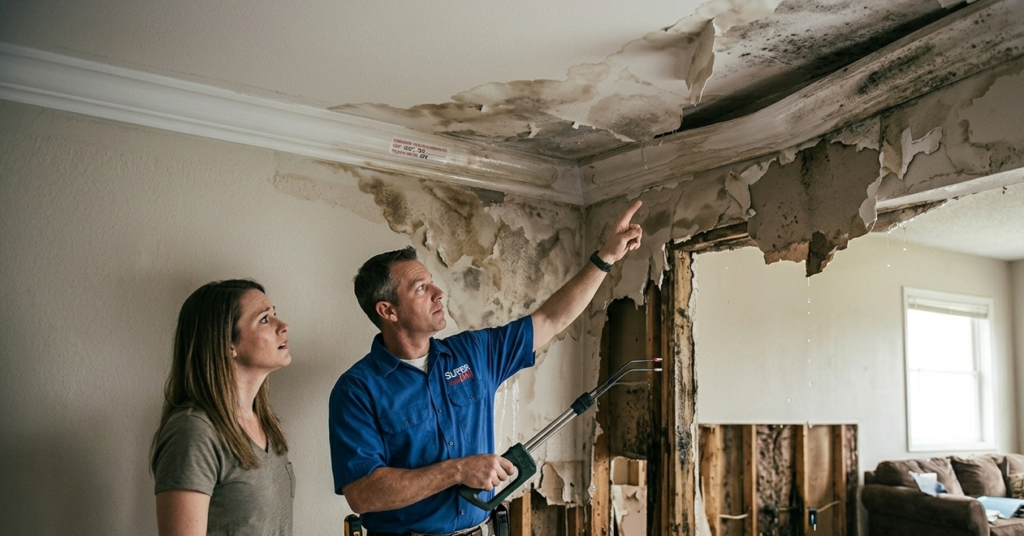
Water damage might seem like a simple cleanup job at first glance, but ignoring it sets off a chain reaction that can compromise your entire home. The core issue lies in how water infiltrates materials-porous surfaces like wood, drywall, and insulation absorb it rapidly, leading to weakening and decay. Over time, this unchecked moisture creates an ideal environment for mold and bacteria to thrive, which not only damages structures but poses serious health risks.
Let’s break it down step by step. First, there’s the immediate structural impact. Water saturates wooden beams and floors, causing them to swell, warp, and eventually rot. In Daytona Beach’s salty, humid air, this process accelerates because salt from ocean breezes can corrode metal reinforcements in walls and roofs. Without repair, your home’s foundation could shift, leading to cracks in walls and uneven floors-issues that might cost thousands to fix.
Next, mold growth emerges as a silent invader. Within 24-48 hours of water exposure, spores activate and spread, releasing allergens that trigger respiratory problems, especially for families with children or elderly members. Black mold, in particular, is toxic and can cause chronic health issues like asthma exacerbations or skin irritations.
Then, there’s electrical hazards. Soaked wiring becomes a fire risk or shock danger, as water conducts electricity. We’ve seen outlets spark and appliances fail catastrophically in unrepaired spaces.
- Structural Weakening: Untreated water leads to rot in wood framing, potentially causing collapses in severe cases. In Florida’s hurricane-prone areas, this weakens homes against future storms.
- Mold and Mildew Proliferation: High humidity in Daytona Beach fosters rapid mold growth, affecting air quality and leading to costly mold inspection & testing.
- Pest Infestations: Damp areas attract termites and rodents, compounding damage to insulation and walls.
- Health Complications: Exposure to contaminated water can result in bacterial infections or long-term allergic reactions.
- Financial Escalation: A $500 initial fix can balloon to $10,000+ if structural elements need replacement.
In our experience at Daytona Beach Water Damage, we’ve restored properties where delayed action turned a leaky roof into full-room gutting. For instance, a client in Ormond-by-the-Sea ignored basement flooding post-hurricane, only to face extensive carpet water damage restoration later. Early intervention is key to preventing these domino effects.
Actionable Steps: How to Address Water Damage Before It’s Too Late
Preventing the worst outcomes from water damage requires swift, informed action. Start by assessing the source-whether it’s a plumbing issue like a water pipe break or external flooding from Daytona Beach’s frequent downpours. Shut off the water supply immediately to limit spread, and avoid using electrical devices in affected areas to prevent shocks.
Next, ventilate the space. Open windows and use fans to circulate air, but only if it’s safe. In our coastal location, where humidity often exceeds 80%, dehumidifiers are essential to draw out moisture without promoting mold.
For cleanup, remove standing water with a wet-dry vacuum, but wear protective gear like gloves and masks. Dry out affected materials thoroughly-drywall might need cutting out if soaked beyond the surface. Local building codes in Volusia County require specific drying times to avoid permit issues during repairs.
Consider the unique challenges of Daytona Beach housing: many older beachfront properties in areas like Surfside Village have elevated structures vulnerable to tidal surges, while inland homes in Orange Island Park deal with clay soil that holds water longer. Tailor your approach accordingly-elevated homes may need sump pumps, and all properties benefit from regular inspections before rainy season.
Pro Tip: An insider secret from our team: Test for hidden moisture with a moisture meter before repainting or reinstalling carpets. What seems dry to the touch can harbor 20%+ water content, leading to bubbling paint or renewed mold in weeks. This simple tool, available at hardware stores, can save you from repeat damage.
If the damage affects HVAC systems, schedule heating unit mold cleanup to prevent spores from circulating throughout your home. For commercial spaces, like warehouses near the airport, prioritize warehouse damage restoration to minimize business downtime. Document everything with photos for insurance claims, and consult professionals if the area exceeds 10 square feet-DIY limits apply for safety.
By following these steps, you mitigate risks and restore your property efficiently, keeping Daytona Beach’s tropical weather from exacerbating the problem.
Pitfalls Homeowners Face: Common Mistakes to Avoid with Unrepaired Water Damage
Many Daytona Beach residents underestimate water damage, leading to avoidable disasters. One frequent error is delaying professional help, thinking a fan and towels suffice. This overlooks hidden saturation in walls or subfloors, allowing rot to set in silently. The safety risk? Weakened structures could fail during a storm, endangering lives, while financial hits include denied insurance claims for ‘preventable escalation.’
Another mistake is improper drying, like using household fans without dehumidifiers in our muggy climate. This merely spreads moisture, fostering mold that requires expensive remediation. Homeowners often ignore HVAC contamination, circulating mold spores and causing widespread health issues – we’ve treated families suffering persistent coughs from this oversight.
Skipping documentation is a big one too. Without photos or logs, insurance disputes arise, leaving you footing bills that could reach $20,000 for structural repairs. In business settings, like retail in Central Mainland, ignoring water in storage areas leads to inventory loss and compliance violations under Florida health codes.
Finally, using bleach on mold is a myth- it doesn’t penetrate porous surfaces and can worsen airborne spores. The risks compound: health hazards from toxins, legal liabilities if tenants get sick, and plummeting property values in seller’s markets. Avoid these by acting within 24 hours and consulting experts early.
Wrapping Up: Protect Your Home from Water Damage Nightmares
Unrepaired water damage spirals from minor leaks to major threats like structural failure, mold infestations, and health dangers, all amplified by Daytona Beach’s humid environment. Key takeaways include acting fast to stop the source, drying thoroughly with proper tools, and avoiding DIY pitfalls that escalate costs. By understanding these risks and following practical steps, you safeguard your investment and well-being.
If tackling this alone feels overwhelming, remember that professionals make all the difference. At Daytona Beach Water Damage, our certified team has years of local experience restoring homes and businesses efficiently-learn more about our team. We use advanced techniques to ensure complete recovery, minimizing disruption in our community. Need help with water damage in Daytona Beach? Call Daytona Beach Water Damage today at (386) 715-1179.
Leave a Reply