Water damage can strike suddenly in Daytona Beach, turning a cozy home into a soggy nightmare. Whether from a burst pipe, heavy rains, or coastal storms common in our area, excess moisture threatens structural integrity, fosters mold, and poses health risks. If you’ve recently faced flooding, you’re not alone—Daytona Beach Water Damage has helped countless local homeowners navigate this chaos. In this guide, we’ll walk you through the essential process of drying out your house effectively. You’ll gain practical knowledge to mitigate damage, save on repair costs, and speed up recovery. Our team, with years of experience in Florida’s humid climate, knows the unique challenges here, like high humidity that slows drying. By following these steps, you can protect your property and get back to normal faster. Remember, while DIY efforts help, professional intervention often prevents long-term issues.
Understanding the Drying Process After Water Damage
Drying out a house after water damage isn’t just about mopping up puddles—it’s a systematic approach to remove moisture from every corner, including hidden areas like walls and subfloors. The goal is to restore the home to a pre-loss condition while preventing secondary damage like warping wood or electrical hazards. Water infiltrates materials differently: porous surfaces like drywall absorb it quickly, while non-porous ones like tile may hide it beneath.
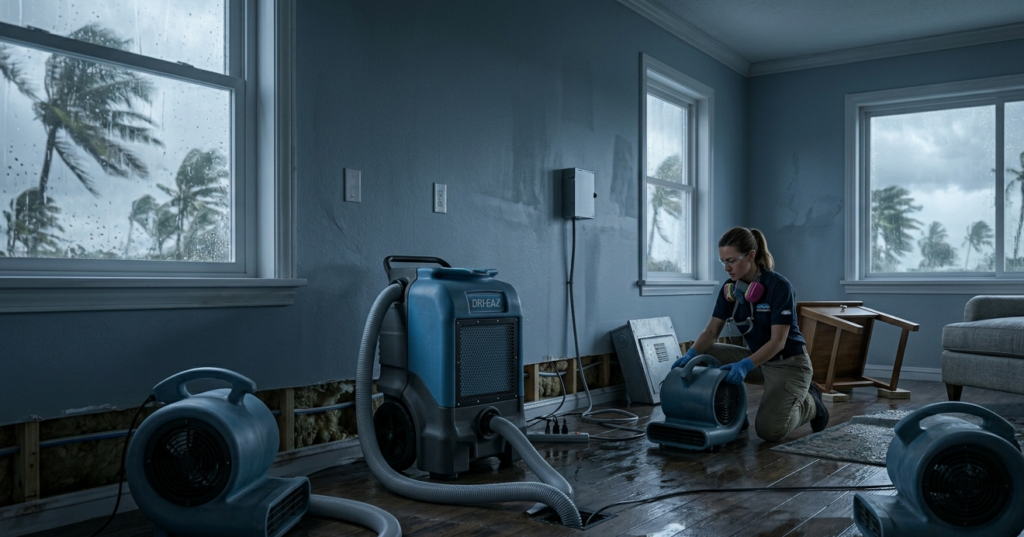
Why is proper drying crucial? Untreated moisture leads to mold growth within 24-48 hours, especially in Florida’s warm, humid environment. It can also weaken foundations and compromise insulation, leading to skyrocketing energy bills. The process typically involves three phases: water extraction, dehumidification, and air movement. Professionals use specialized equipment to monitor moisture levels with tools like psychrometers, ensuring humidity drops below 60% to inhibit microbial growth.
Here’s a breakdown of key elements:
- Water Extraction: Start by removing standing water using powerful pumps and wet vacuums. This prevents further saturation and reduces drying time by up to 50%.
- Dehumidification: Industrial dehumidifiers pull moisture from the air, circulating dry air to evaporate trapped water in materials. In Daytona Beach, where ambient humidity often exceeds 70%, these units are vital to combat the local climate.
- Air Movement: High-velocity fans create airflow to speed evaporation. Position them strategically to avoid pushing moist air into unaffected areas.
- Moisture Monitoring: Use meters to check progress in walls, floors, and ceilings. This ensures no pockets of dampness remain, which could lead to structural rot.
In our experience at Daytona Beach Water Damage, many homeowners underestimate how water wicks up walls—sometimes 18 inches or more—requiring careful removal of baseboards for thorough drying. We’ve restored homes in Central Daytona after tropical downpours, emphasizing the need for thermal imaging to detect hidden moisture. Neglecting this can turn a minor incident into a major overhaul, costing thousands. For related issues like ceiling water damage restoration, early detection is key. Understanding these steps empowers you to act swiftly and wisely.
Step-by-Step Guide to Drying Your Home
Now that you grasp the basics, let’s dive into actionable steps to dry out your house. Timing is everything—begin immediately to minimize damage. In Daytona Beach, our sandy soils and frequent rains mean water can seep quickly, so adapt these tips to local conditions like elevated humidity and older beachfront homes with crawl spaces.
-
Ensure Safety First: Turn off electricity in affected areas to avoid shocks. If the damage is extensive, evacuate and call professionals. In flood-prone spots like North Beach, check for sewage contamination from storm surges.
-
Remove Water: Use a shop vac or pump for standing water. For carpets, pull them up to dry the padding underneath—Florida’s heat can breed bacteria fast if ignored.
-
Ventilate and Extract: Open windows and doors if weather permits, but use fans and dehumidifiers indoors. Rent equipment from local suppliers; aim for 40-50% relative humidity.
-
Dry Structural Elements: Remove wet drywall up to the waterline and dry the studs. For wood floors, elevate furniture and use fans underneath. Local building codes in Daytona Beach require permits for major alterations, so document everything.
- Monitor and Maintain: Check daily with a moisture meter. In humid months, it might take 3-5 days; extend if needed. Consider antimicrobial treatments to prevent mold in our subtropical climate.
Local factors play a big role: Daytona Beach’s coastal winds can aid drying, but salt air corrodes equipment, so protect gear. For homes in Midtown Daytona, proximity to the ocean means extra vigilance against corrosion.
Pro Tip: An insider secret from our team—always create a "drying zone" by sealing off unaffected rooms with plastic sheeting and tape. This contains humidity and protects your HVAC system, which can spread mold spores if contaminated. We’ve seen this save clients hundreds in attic damage restoration costs.
These steps, when followed diligently, can restore your home efficiently. For comprehensive moisture mapping services, trust local experts familiar with our area’s unique challenges.
Common Mistakes to Avoid When Drying Your House
Homeowners often rush the drying process, leading to costly repercussions. One frequent error is ignoring hidden moisture—water can lurk in insulation or behind cabinets, fostering mold that causes respiratory issues and requires full remediation, potentially costing $5,000 or more.
Another pitfall: using household fans instead of professional-grade equipment. Regular fans merely circulate moist air, prolonging drying and risking uneven evaporation that warps floors. In Daytona Beach’s humid conditions, this can extend recovery by weeks, inflating insurance claims.
Skipping professional assessment is risky too. DIYers might miss structural damage, like compromised beams, leading to safety hazards or failed inspections under Florida regulations. We’ve encountered cases where overlooked water in crawl spaces caused foundation shifts, resulting in $10,000+ repairs.
Finally, delaying action amplifies problems. Waiting even a day allows bacteria to thrive, turning a $1,000 fix into a $20,000 overhaul. Financially, improper drying voids warranties on materials; safety-wise, it invites electrical fires or slips on slick surfaces.
Avoid these by prioritizing thoroughness. Learn more about our about us page to see how we prevent such issues for Daytona Beach residents.
Wrapping Up: Restore Your Home Safely
Drying out a house after water damage demands prompt, methodical action—from extraction and dehumidification to monitoring progress and avoiding pitfalls. By understanding the process, applying practical tips tailored to Daytona Beach’s climate, and steering clear of common errors, you can safeguard your property and health.
Key takeaways: Act fast, use proper tools, and consider local factors like humidity. While these steps empower DIY efforts, complex damage often benefits from pros who handle everything efficiently.
If you’d rather leave it to experts, Daytona Beach Water Damage is here to help. Our certified team uses advanced techniques to dry and restore your home quickly. Serving areas from Mosaic to beyond, we’re your trusted local partner. Need help with how do you dry out a house after water damage? in Daytona Beach? Call Daytona Beach Water Damage today at (386) 715-1179.
Leave a Reply