Water damage can strike unexpectedly in Daytona Beach, whether from a burst pipe, heavy rain, or a hurricane aftermath. One of the most pressing concerns for homeowners is mold growth, which can turn a manageable issue into a health hazard and costly repair. If you’ve experienced flooding or leaks, you’re likely wondering: how soon does mold start forming? At Daytona Beach Water Damage, we’ve handled countless cases in our coastal community, where humidity accelerates problems. This guide breaks down the timeline, explains the science behind it, and provides actionable steps to mitigate risks. By understanding these factors, you can act swiftly to safeguard your home and family, avoiding the structural damage and respiratory issues mold often brings. Our team has seen firsthand how quick intervention makes all the difference in restoring properties in areas like Central Daytona.
Understanding the Timeline: How Quickly Does Mold Develop After Water Damage?
Mold is a type of fungus that thrives in moist environments, and water damage creates the perfect breeding ground. The question of how long it takes for mold to set in after water damage doesn’t have a one-size-fits-all answer, but generally, it can begin growing within 24 to 48 hours. This rapid onset is due to mold spores, which are always present in the air, activating when exposed to moisture, warmth, and organic materials like wood or drywall.
To grasp this better, consider the stages of mold development:
-
Initial Moisture Absorption (0-24 Hours): Water infiltrates surfaces, saturating porous materials. At this point, no visible mold yet, but the environment is primed. In humid Daytona Beach, where average humidity hovers around 70-80%, this phase can feel even shorter as evaporation slows.
-
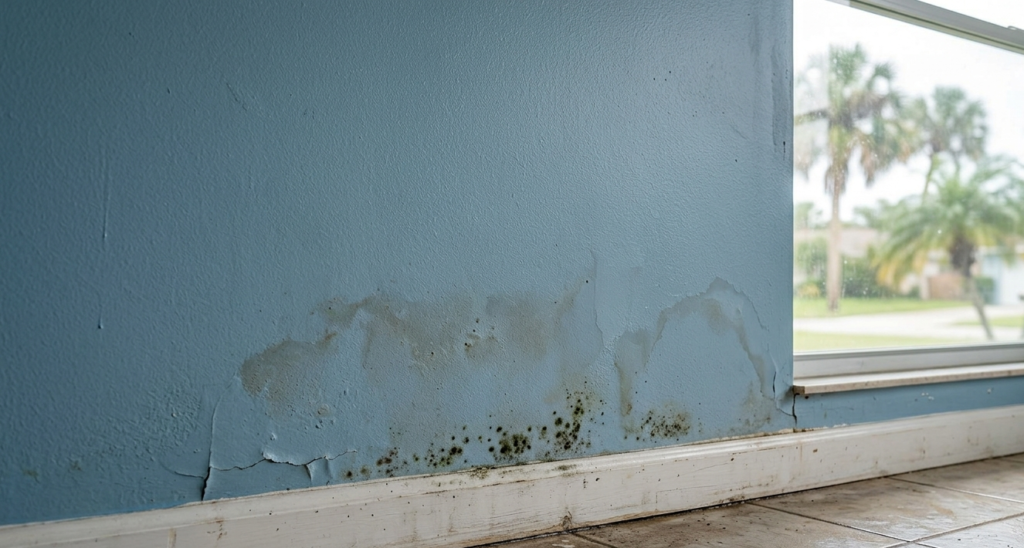
Spore Germination (24-48 Hours): Mold spores start to germinate, forming tiny colonies. You might notice a musty odor or slight discoloration on walls or floors. Studies from the EPA indicate that at temperatures between 77°F and 86°F—common in Florida homes—growth accelerates.
-
Visible Growth and Spread (48 Hours to 7 Days): Within a week, mold can cover larger areas, especially in hidden spots like behind baseboards or in crawlspaces. Black mold, or Stachybotrys, is particularly aggressive and can produce mycotoxins harmful to health.
- Established Infestation (Beyond 7 Days): If unchecked, mold penetrates deeper, compromising structural integrity and air quality. In severe cases, it can lead to HVAC contamination, spreading spores throughout the home.
Why does this happen so fast? Mold reproduces via spores that require only moisture and a food source to multiply exponentially—up to 1,000 times in ideal conditions. Factors like the type of water (clean vs. contaminated from sewage) and ventilation play roles; standing water from floods worsens it.
In our experience at Daytona Beach Water Damage, we’ve responded to emergencies in neighborhoods like Tomoka Point, where older homes with poor drainage see mold emerge in under 36 hours after storms. Local building codes, influenced by Florida’s wet climate, emphasize quick drying to prevent this, but many overlook it. Understanding this timeline empowers you to prioritize extraction and dehumidification. For more on our disaster response, visit our services page.
Practical Steps to Prevent and Address Mold Growth After Water Damage
Acting promptly after water damage is crucial to halt mold in its tracks. Start by assessing the extent: shut off the water source if possible, and evacuate if there’s electrical risk or contamination. Then, focus on extraction and drying—key to disrupting the mold lifecycle.
Here’s a step-by-step guide tailored for Daytona Beach residents:
-
Immediate Water Removal: Use wet vacuums or pumps to extract standing water. For carpets or rugs, professional-grade equipment is best to avoid residue that feeds mold.
-
Ventilate and Dehumidify: Open windows and doors if safe, and use fans to circulate air. Invest in industrial dehumidifiers to reduce moisture below 60%. In our humid coastal area, this step is non-negotiable, as Florida’s weather can prolong drying times.
-
Remove Affected Materials: Cut out and discard saturated drywall (at least 12 inches above the water line) and insulation. For flooring, consider water-damaged flooring removal to prevent underlayment mold.
-
Clean and Disinfect: Apply EPA-approved antimicrobial solutions to hard surfaces. Avoid bleach on porous materials, as it doesn’t penetrate.
- Monitor and Test: Use moisture meters to check hidden areas like attics or behind furniture. If mold exceeds 10 square feet, professional remediation is required per IICRC standards.
Local factors in Daytona Beach amplify these needs: our frequent thunderstorms and proximity to the ocean mean salt-laden air can corrode materials faster, hastening mold. Older ranch-style homes in areas like Lake Forest often have concrete slabs that trap moisture underneath. Florida regulations, under Chapter 468, mandate licensed pros for extensive damage, ensuring compliance with health codes.
Pro Tip: An insider secret from our team—always check for secondary damage like radon mitigation needs post-flood, as water can stir up soil gases in Florida’s sandy soils. Test air quality early to avoid compounded health risks.
By following these steps, you can restore your home efficiently and minimize long-term issues. For persistent problems, our about us page details how we’ve helped locals for years.
Common Mistakes to Avoid After Water Damage
Homeowners in Daytona Beach often underestimate the urgency of water damage, leading to mold outbreaks that could have been prevented. One frequent error is delaying professional help, thinking DIY drying suffices. Fans alone can’t remove deep moisture, allowing mold to set in within days and potentially costing thousands in fire restoration if it ignites electrical issues.
Another pitfall: ignoring hidden water in walls or ceilings. Surface drying looks good, but undetected leaks foster black mold, posing respiratory risks like asthma aggravation—especially dangerous for kids and the elderly in our humid climate.
Using household cleaners instead of pros amplifies problems; improper chemicals can spread spores or damage materials further. Financially, this leads to inflated insurance claims or denied coverage if mold isn’t documented properly.
Lastly, neglecting follow-up inspections allows recurrence. In flood-prone Grande Champion, we’ve seen untreated crawlspaces cause ongoing issues, eroding foundations and health over time. Avoid these by prioritizing certified remediation to protect your investment and well-being.
Conclusion
In summary, mold can begin setting in as quickly as 24-48 hours after water damage, driven by moisture, warmth, and spores—faster in Daytona Beach’s humid environment. Key takeaways include immediate extraction, thorough drying, material removal, and professional intervention for larger issues. By avoiding delays and common errors like inadequate cleaning, you can prevent health hazards and structural woes.
If tackling this alone feels overwhelming, Daytona Beach Water Damage is here to help with expert restoration tailored to our local conditions. Our team ensures safe, efficient recovery so you can focus on what matters. Need help with how long does mold set in after water damage? in Daytona Beach? Call Daytona Beach Water Damage today at (386) 715-1179.
Leave a Reply